
Web design, performance (Core Web Vitals), SEO and AI search — practical, from real projects.
Related services: SEO / AI-SEO audit with code-level fixes (one-time), Continuous SEO (monthly retainer) or ongoing maintenance.
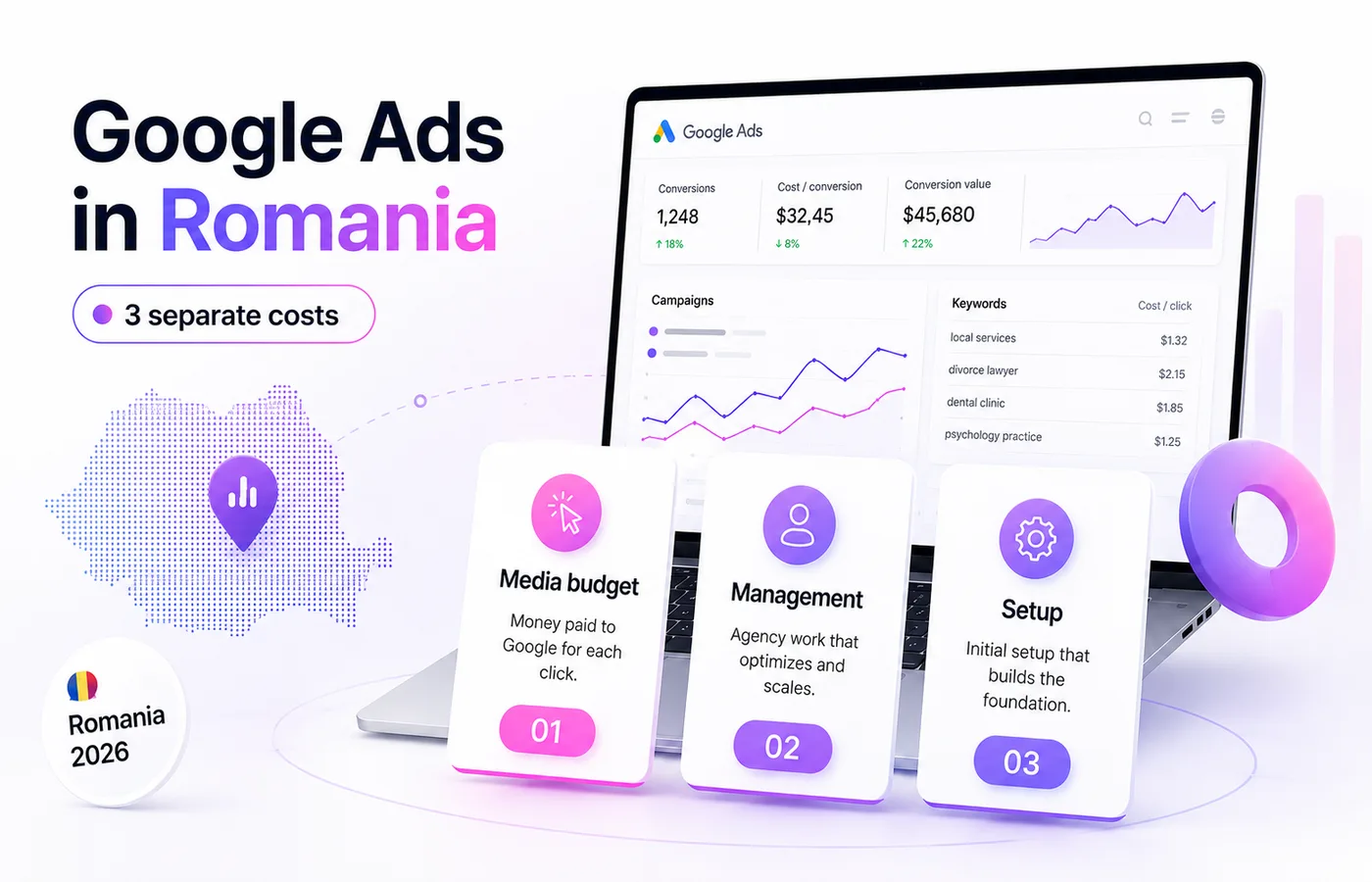
"How much does Google Ads cost?" has 3 answers, because you pay for 3 different things: the ad budget, the management, and the setup. We separate them with real market figures — and tell you when it is worth it and when you just burn money.
What a website realistically costs in 2026 — from a business site to an online store and custom platforms. Transparent prices, no vague “it depends”, plus how to cut cost without hurting the result.
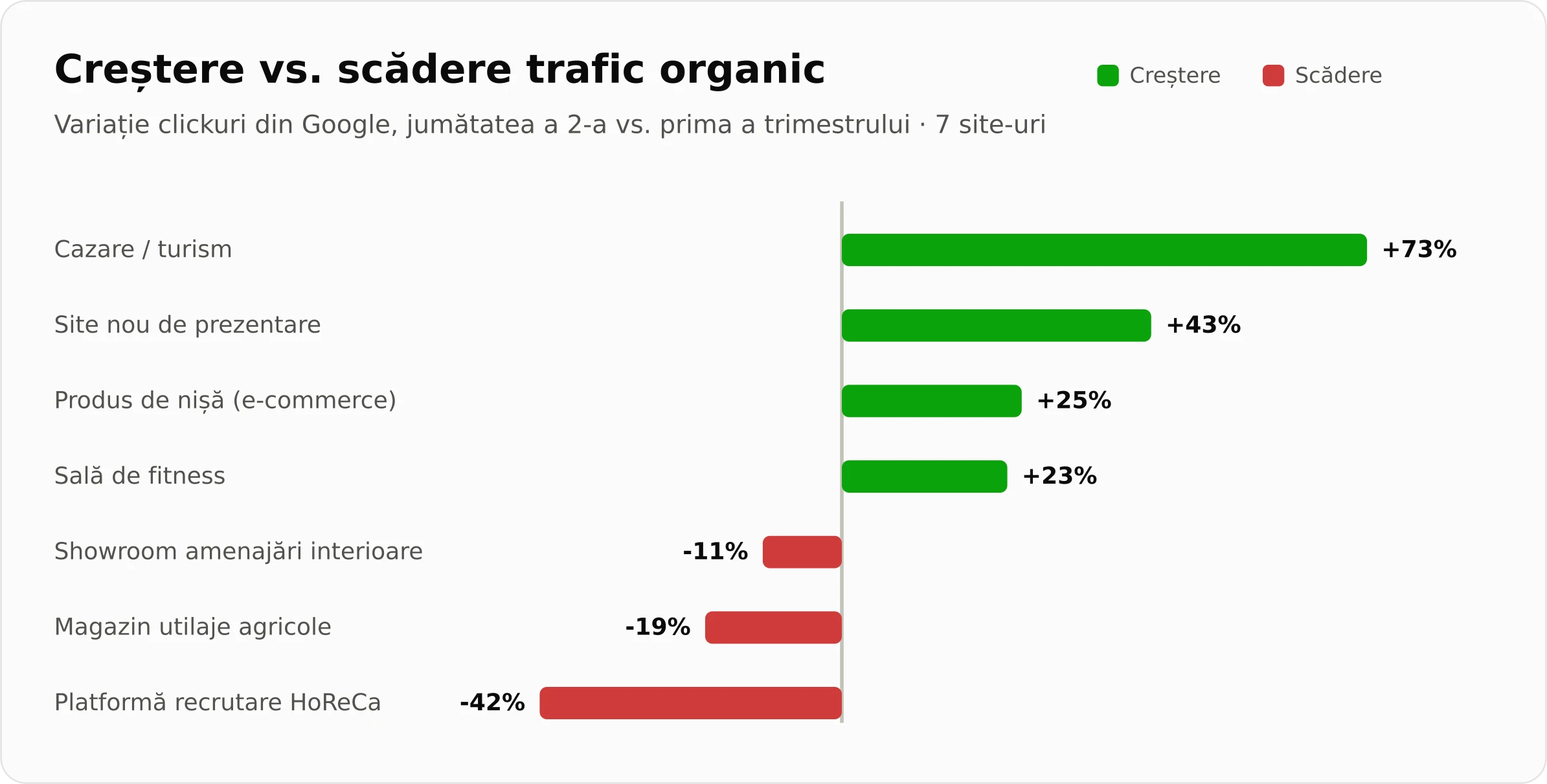
We read a full quarter of real Search Console data from 7 sites we build and maintain (anonymized). What impressions, clicks and CTR actually mean — and which service fixes each problem.
There’s no “best platform”, only the right one for you. An honest comparison of WooCommerce, Shopify and a headless Next.js store — real costs, fees, growth ceiling, and when each is worth it.

Three measurements Google uses to judge how pleasant your site feels: how fast it appears, how fast it responds, how stable it is. What each means, jargon-free, and why it matters for sales.
An “Accept” banner that loads trackers anyway isn’t consent — it’s a liability. What a GDPR-compliant cookie banner means, the common mistakes, and how to do it right.
Why some agencies deliver in months and we deliver in seven days or less — without it being a template. What the process looks like day by day, and what’s on you to keep it fast.

Invoices, notifications, syncs, reports, data collection — predictable, boring work can be done by a system. What’s worth automating, what it looks like in practice, and where the cost starts.
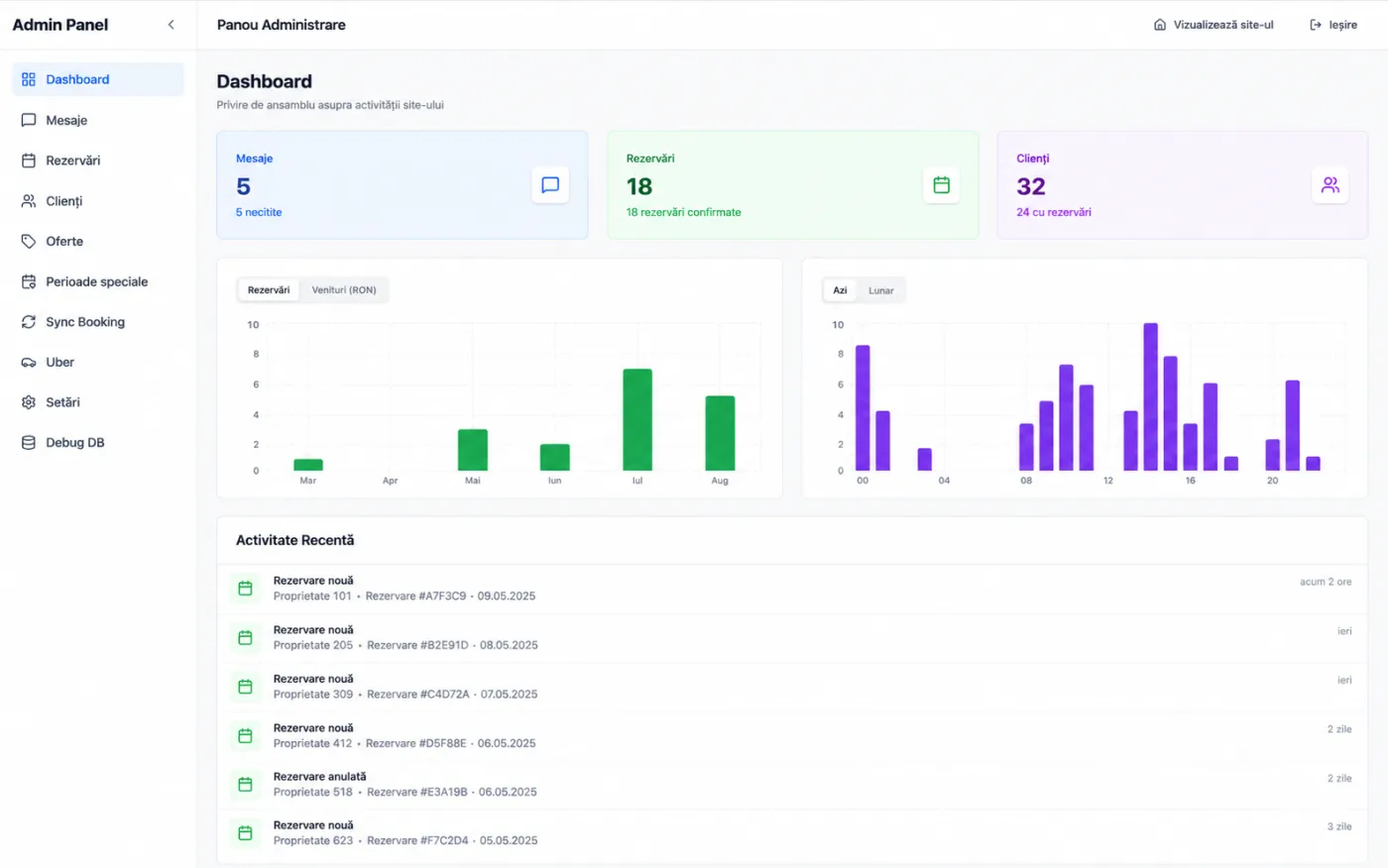
A generic CMS is fine for editing content. But when your business runs on orders, bookings, stock or members, you need an admin built around your workflow. Three real examples and how to decide.
A technical case study on bringing online payments and auto-renewing memberships into a Next.js front-desk app — without card data ever touching our servers. The proxy architecture, tokenization for recurring charges, and the hard part: idempotent callbacks.

From a simple business site to a fully custom one: what you pay, why the range runs from 4,500 to 8,000 RON, and what “fully wired” means — a working contact form, SEO and AEO from day one, delivered in seven days or less.

A pricing guide for an online store: what you actually pay, when to choose WooCommerce vs Shopify vs headless Next.js, and what “fully integrated” means — payments, invoicing, couriers and ERP import, not just a pretty catalog.
A guide for salons, clinics, gyms and events: when a custom booking system beats a SaaS, what it must include (including memberships with recurring billing), and what it costs — 8,000–25,000 RON.
What a data-collecting website legally needs in Romania: real cookie consent, correct policies, data mapping and a short DPIA. The common mistakes, and what a GDPR kit includes — 1,500–3,500 RON.

What public data collection done right looks like — official sources, respecting GDPR and terms, deduplication and clean delivery. Where the line runs between legal and abusive scraping, and what a real project delivers.
A dark, animated, beautiful site — that failed the speed test with an “error”. The real story of a performance hunt: the black-screen mystery, the wrong bet, and the score that dropped exactly when we were fixing things. Ending: 91 mobile, 100 desktop.
A homepage that shipped the full text of 462 patterns on every visit — 2 MB of data it never displayed. A case study on over-fetching in Next.js: how you weigh the served payload instead of guessing, why mobile paid for 2 MB it never used, and how you cut the invisible cargo from the page.
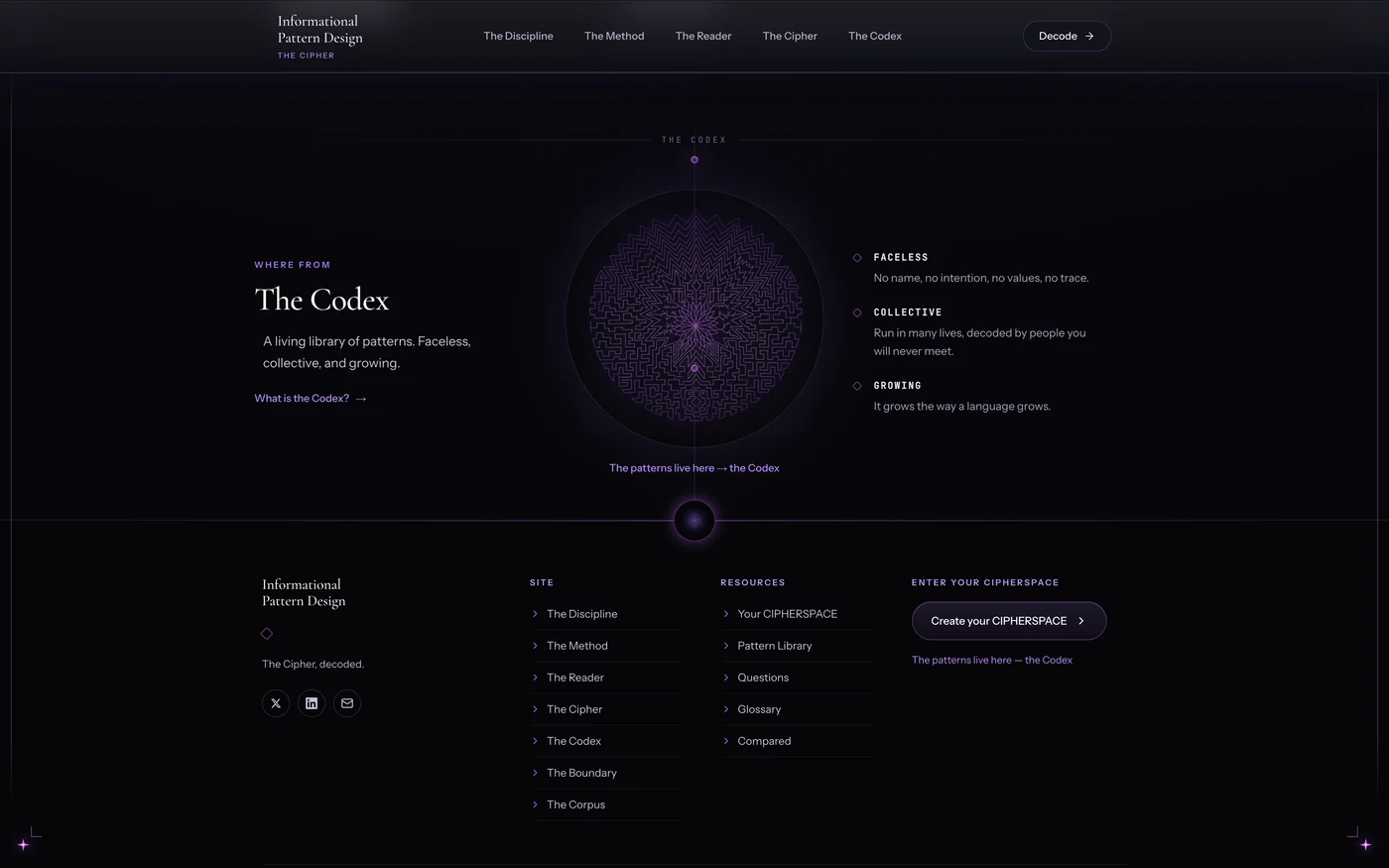
thecipher.is is a living Codex: 462 faceless, collective patterns that grow out of real readings. The behind-the-scenes story — the anonymization, the mirror-counter, and the day the launch returned 461 instead of 462.
Informational Pattern Design isn’t therapy, isn’t horoscope, isn’t diagnosis — yet it sounds dangerously close to all three. The story of the editorial design that balances mystery and rigour, for an audience that verifies before it trusts.
One client, one folder of PDF spec sheets and PowerPoint decks. Two days later: a bilingual site live, with full SEO, prices checked against the spec sheets and a working form. The process, step by step — including the parts nobody usually tells you about.
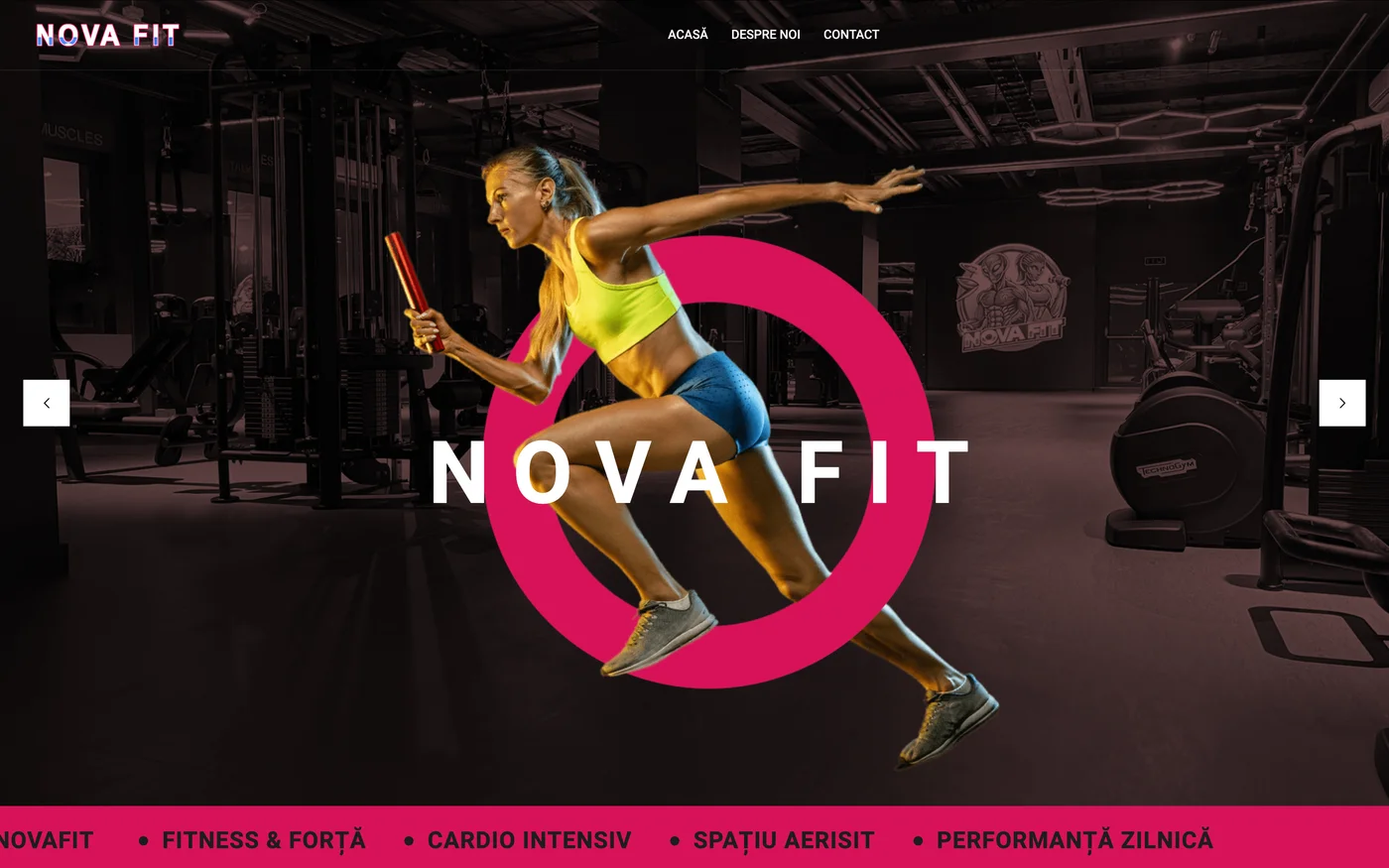
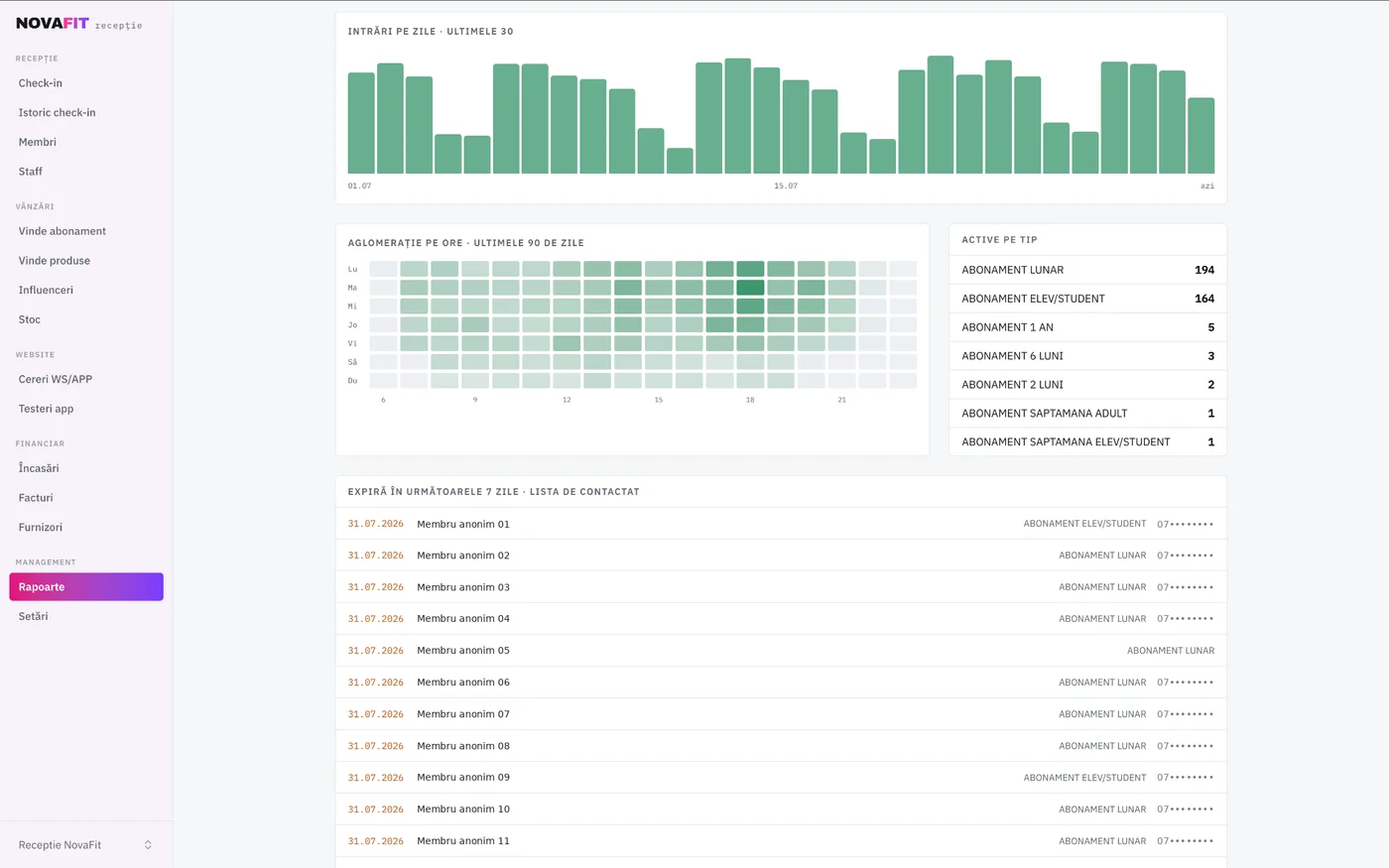
Everyone fixes a poor speed score by compressing images. Most of the time it's the wrong answer. How to read the Lighthouse breakdown to find the real bottleneck — render delay, not bytes — step by step, on the NovaFit homepage.
A gym website on a 2015-era CakePHP stack, fully moved to Next.js without losing anything: the same URLs with 301s, uninterrupted mail on the DNS move, a custom admin replacing Croogo, and a product decision that changed the signup flow. The full migration story.
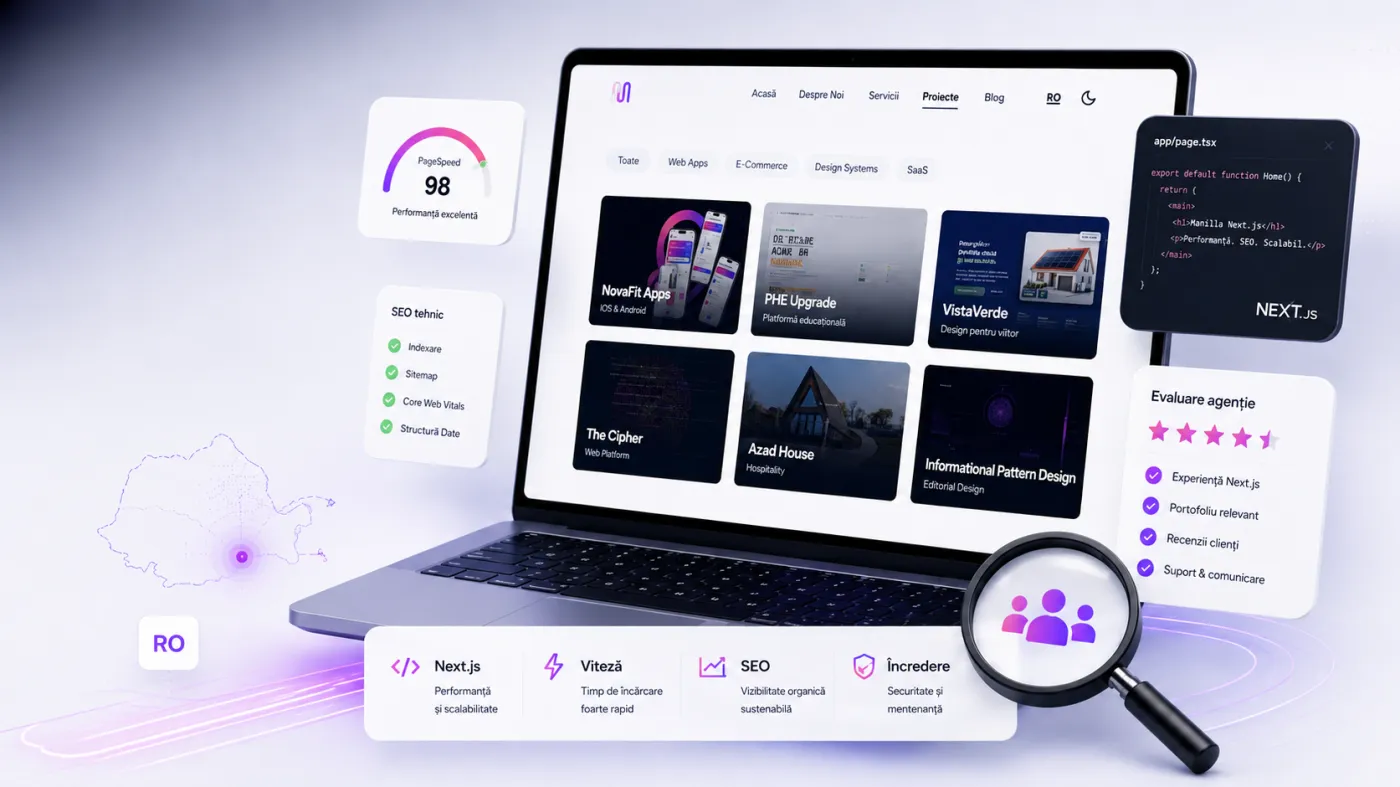
A practical guide to evaluating a Next.js agency in Romania: a testable live portfolio, transparent pricing, direct developer communication, technical SEO on their own site. Five signals that separate a good agency from one that just sounds good.
A complete guide to Next.js for business websites in Romania: performance, SEO and AI search, cost, maintenance, migration and how to choose a partner. When it is the right choice and when it is not.
How we rebuilt the Kulttur digital showroom from Yii to Next.js: brand-structured catalog, bilingual RO/EN with native hreflang, catalog structured data and green Core Web Vitals (LCP 1.9s, CLS 0) on real users.
A practical Next.js image optimization checklist for Core Web Vitals: WebP/AVIF, responsive srcset, priority on LCP, width/height for CLS, lazy loading. Images are the most common performance killer.
How to add schema.org JSON-LD correctly in Next.js App Router: the centralized @graph pattern, @id conventions, one node per page type, and how to avoid the duplicates that break rich results.
What the llms.txt file is, why it matters for citability in ChatGPT, Perplexity and AI Overviews, and how to write one properly — with the live example from manilla-services.ro.
An honest Next.js vs WordPress comparison for business websites: performance, total cost, maintenance, SEO and AI search. When each one wins and how to choose.
A schema.org audit surfaced duplicate WebPage and CollectionPage nodes on dozens of pages — invisible in code, visible in Rich Results Test. How we centralized them into a single @graph.
Performance 75 → 99 and Accessibility 85 → 96 on a Next.js 16 marketplace. The 71-second LCP, the traps that cost me hours (a stale build running in parallel, CPU contention), and why a single unoptimized `<img>` made all the difference.
Mobile PageSpeed scored 73 with a 56-second LCP. The cause was not the code — it was ~20MB of raw images. How we reached 98 with a single image optimization.
How we took a mobile PageSpeed score from 74 to 97 with one change — analytics loaded only on first interaction. Real diagnosis, with numbers.
Performance, SEO and lower maintenance cost — in short, why we pick Next.js + Node.js for new projects. With a real example: migrating a Bucharest platform from CakePHP to Next.js.